
Create a Wallet
Understand the difference between creating and importing, and keep control of the wallet with you.
Start →imtoken multi-chain wallet
A multi-chain wallet, blockchain network and Web3 knowledge hub from imtoken
Bring multi-chain asset management, network selection, sending and receiving, DApp connections, approval review, network education and wallet security into one clear workflow. Every action starts by checking the network, address and request details.
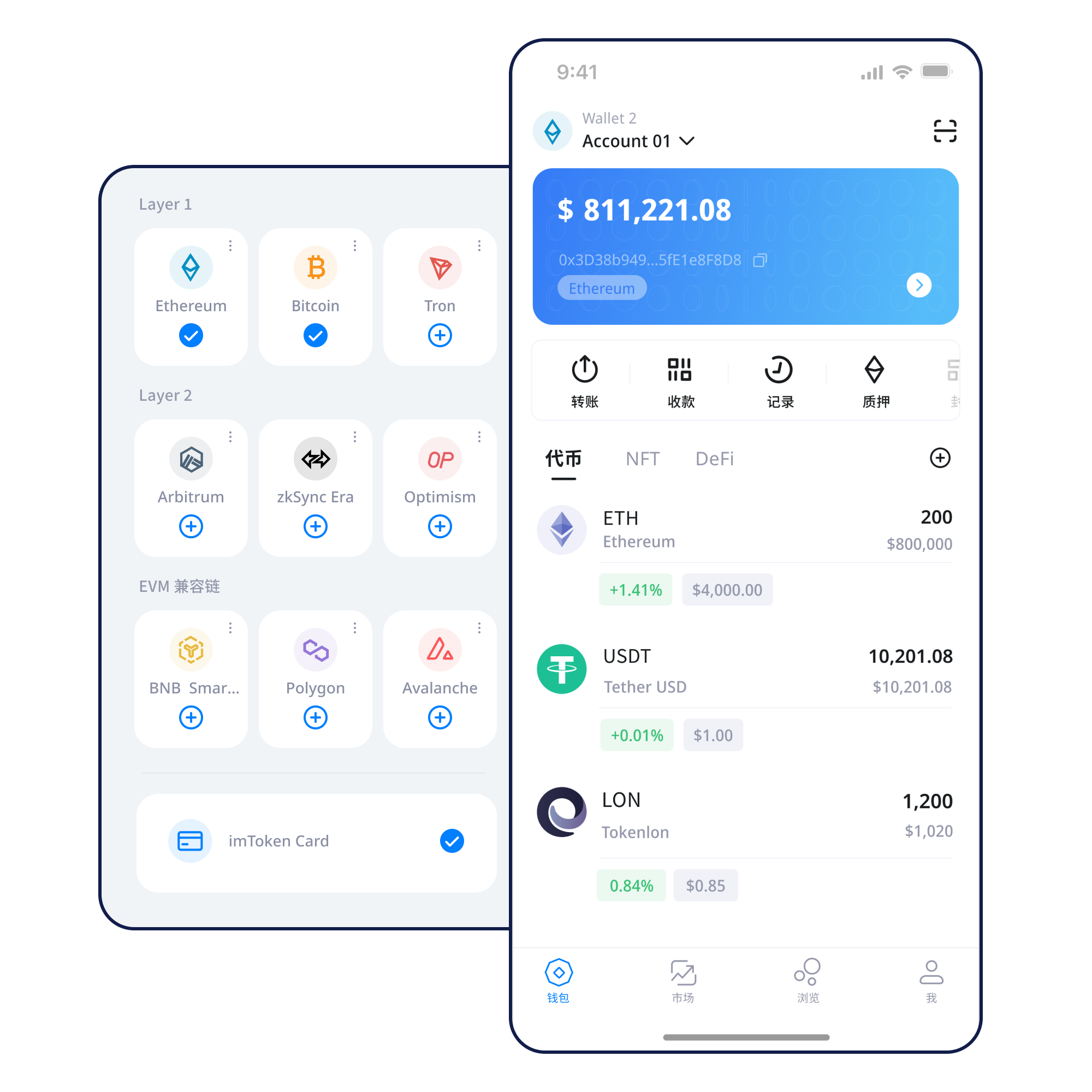
Start with a task
Enter through the task you need to complete, then build the surrounding knowledge. Each route emphasizes verifiable information and clear security boundaries.
Understand the difference between creating and importing, and keep control of the wallet with you.
Start →Record the seed phrase offline. Avoid screenshots, cloud syncing or sending it to anyone.
View guide →Confirm the receiving network first, then copy the address and make sure the sender uses the same network.
Review checks →Review address, network, amount and gas before submission, then track the transaction hash.
Check the flow →Verify the domain and account request. Review every signature and approval separately.
Learn connections →Wallet capabilities
When moving between networks, understand network differences, address relationships and confirmation mechanics instead of treating same-named assets as one shared state.
Understand multi-chain networks →
Review networks, assets and transaction history on mobile, and inspect DApp or signature requests before confirming.
Explore the App →Use a fixed check order for receiving addresses, networks, amounts, gas and transaction hashes.
Open the guide →Understand account connections, approval prompts, DApp access and disconnecting without treating later requests as pre-approved.
Using imtoken Web →Keep seed phrases and private keys offline where possible, and inspect the target and scope of every approval.
Open Security Center →
Blockchain networks
Select a topic to explore network structure, asset paths, fees and confirmation behavior, then continue through the linked guide for more detail.
Networks maintain separate state. Check the destination network, address compatibility and asset standard before sending.
Learn more →Transactions propagate through nodes, enter blocks and accumulate confirmations as the chain progresses.
Public chain basics →
Similar address formats do not make networks identical. Contract interactions also require checks of the target and approval scope.
Understand EVM →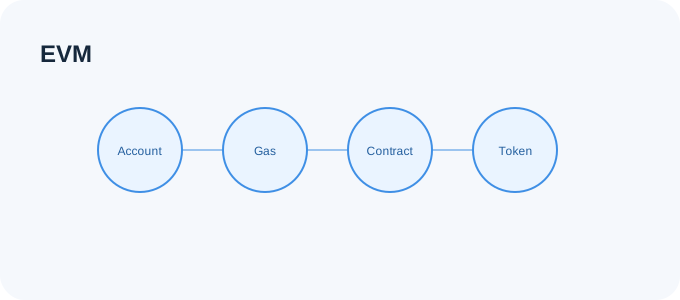
Cross-layer transfers may involve bridges, waiting periods and different confirmation paths.
Explore Layer 2 →
Gas prices execution resources; confirmations help you understand how far a transaction has progressed after inclusion.
Gas & confirmation guide →Wallet path
Use the imtoken download entry, then review backup and security principles before creating or importing a wallet.
Know what the seed phrase and private key represent before you begin using the account.
Prefer offline storage for the seed phrase and avoid screenshots or messaging apps.
Confirm both the network and address before a transfer.
Receiving requires network confirmation; sending adds checks for destination, amount and fees.
Inspect DApp signatures before acting, then review transaction status and remove approvals you no longer need.
Web3 & DApps
Connecting a wallet does not mean every later signature should be accepted. Review each signature and approval on its own.
Open the Web3 guide →Security
The user is responsible for safeguarding seed phrases and private keys, and official staff will not request them. Before transferring, signing or approving, treat the network, address, amount, contract target and permission scope as standard review items.
If a site asks for a seed phrase, private key or verification code, stop. On-chain transactions generally cannot be reversed by a wallet alone, so preserving time to check before an irreversible step matters.
Open Security CenterAcademy · Featured beginner guide
An address receives assets; a seed phrase and private key represent control; the network determines where a transaction occurs; gas affects execution cost; and a transaction hash helps you inspect on-chain status. In Web3, DApp connection, signing and token approval are separate actions.
Learning these concepts before the first receive or send transaction makes it easier to notice network mismatches, address errors or unexpected permission requests.
Read the beginner guide →Ethereum & PoS
Ethereum PoS uses validators in network consensus. Understanding reward sources, network state, withdrawals and exits helps explain how staking services work.
Read staking basics →Rewards can change, exits may involve waiting periods, validators can face network penalties, smart contracts introduce technical risk and digital-asset prices can fluctuate. Staking does not guarantee returns.
Learn PoS & validators →Updates
Put network verification before address and asset checks when preparing a transfer or DApp action.
Fake support, impersonation pages and remote-control requests may try to obtain wallet control.
After connecting an account, each signature and token approval still requires its own target and scope check.
No fixed yield, principal guarantee or guaranteed-return claims are made.
FAQ
No. Users safeguard seed phrases and private keys themselves, and official staff will not ask for them.
At minimum, verify the destination address, network, asset, amount and available network fee.
Connection and signing are separate actions. Review every signature or approval independently.
On the relevant block explorer it can show status, block inclusion, confirmations and related addresses.
Not necessarily. Cross-layer movement may require a specific bridge or transfer route.
No. Rewards, network conditions, waiting periods, penalties and market prices can all change.
imtoken
Download access, learning resources and security guidance stay within one clear path.